Anderson Asteclines.

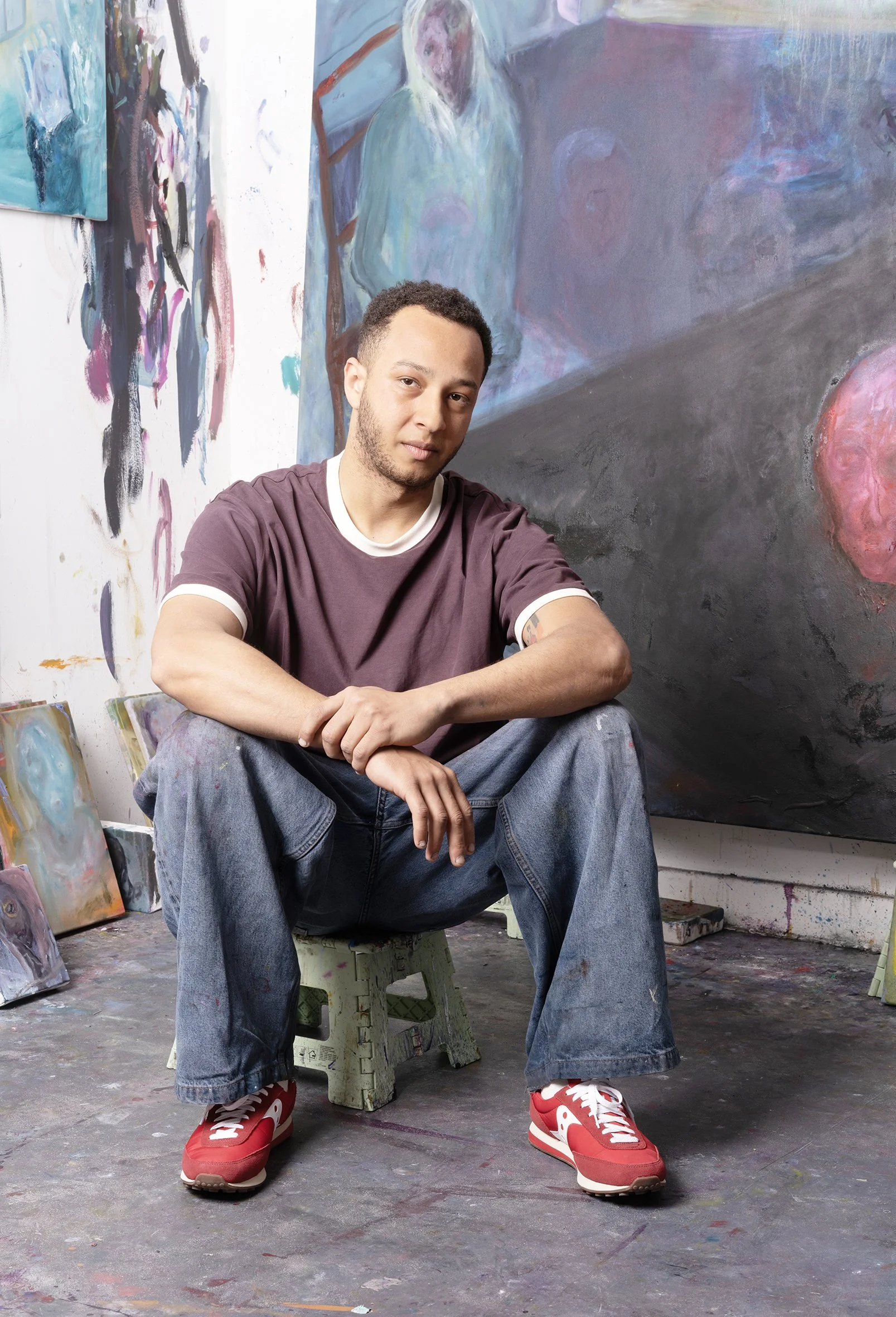
Anderson Asteclines Anderson Asteclines (b.1994, Brazil) is a Margate-based artist whose painting practice is rooted in instinctual and gestural mark-making. He holds an MFA with distinction from the Glasgow School of Art, and has exhibited at New Glasgow Society, The Old Hairdressers and the Glue Factory.

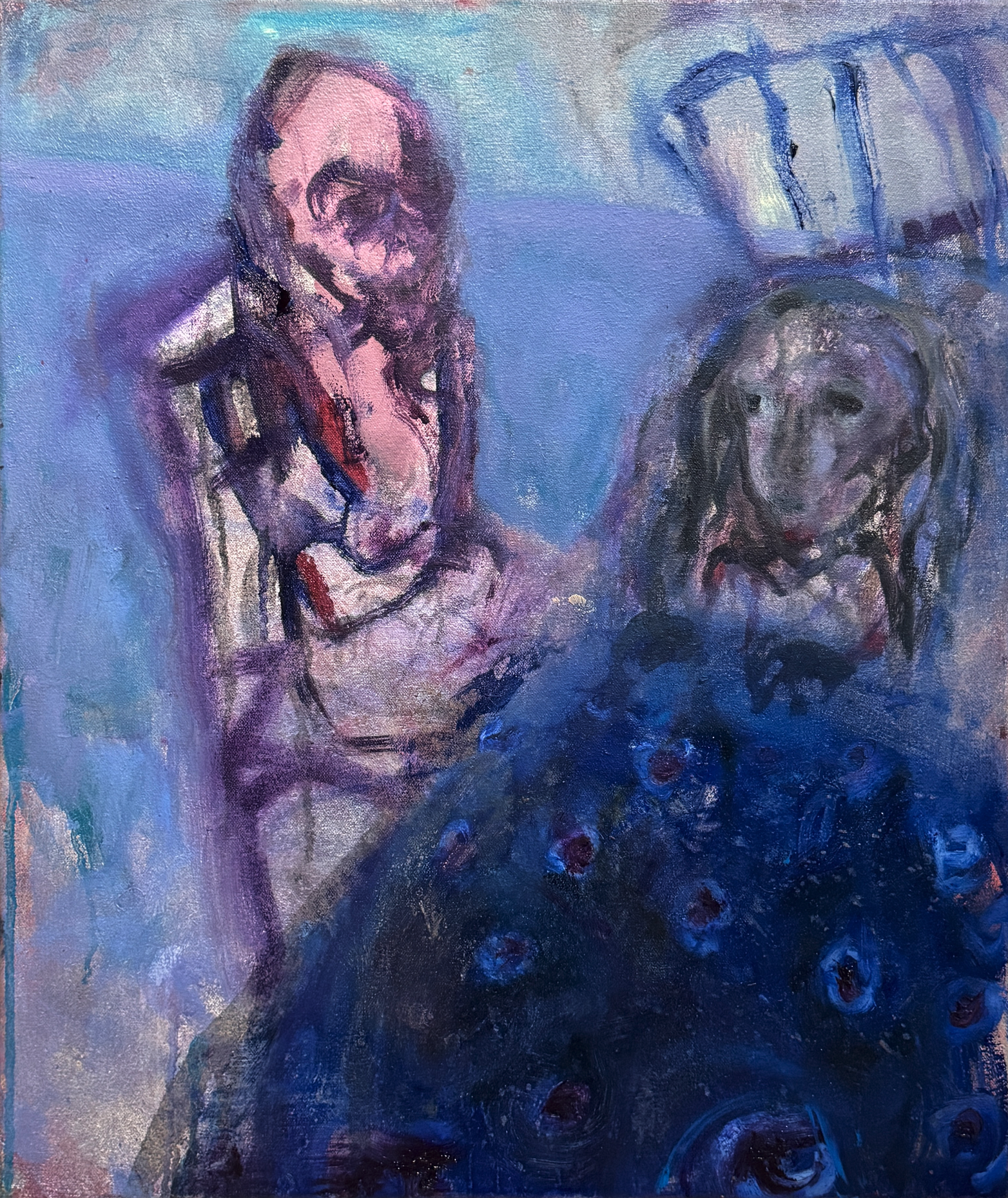
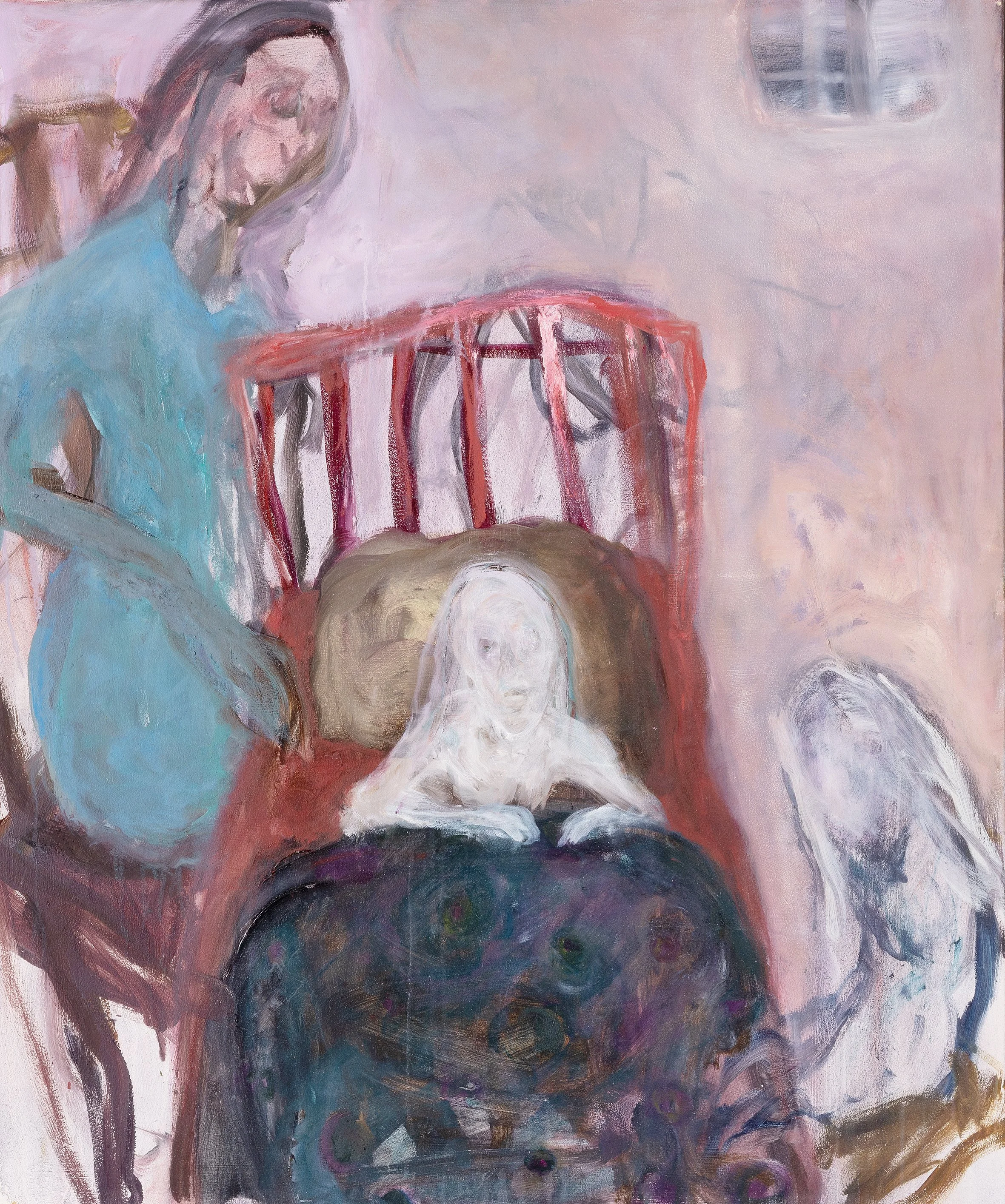
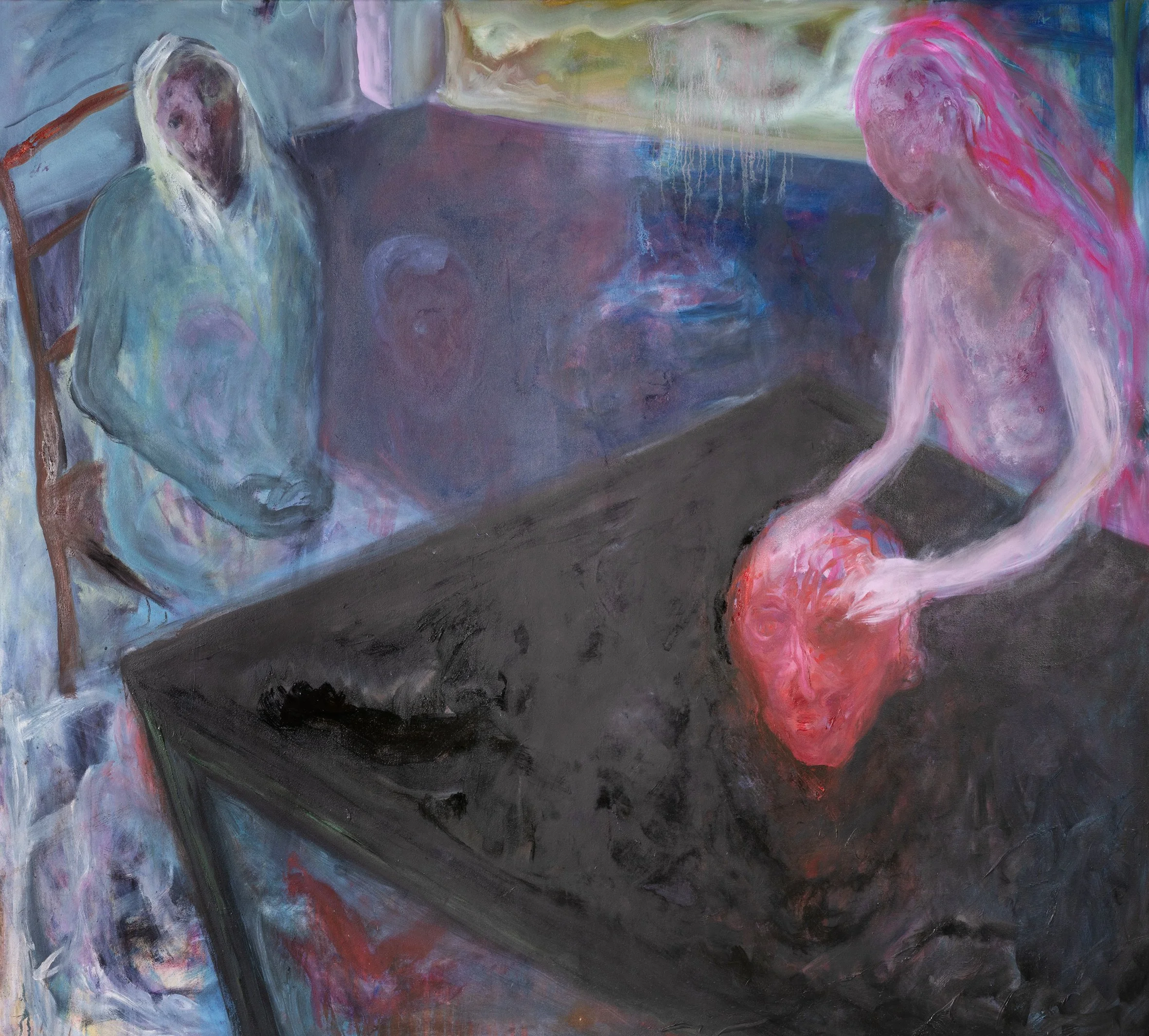
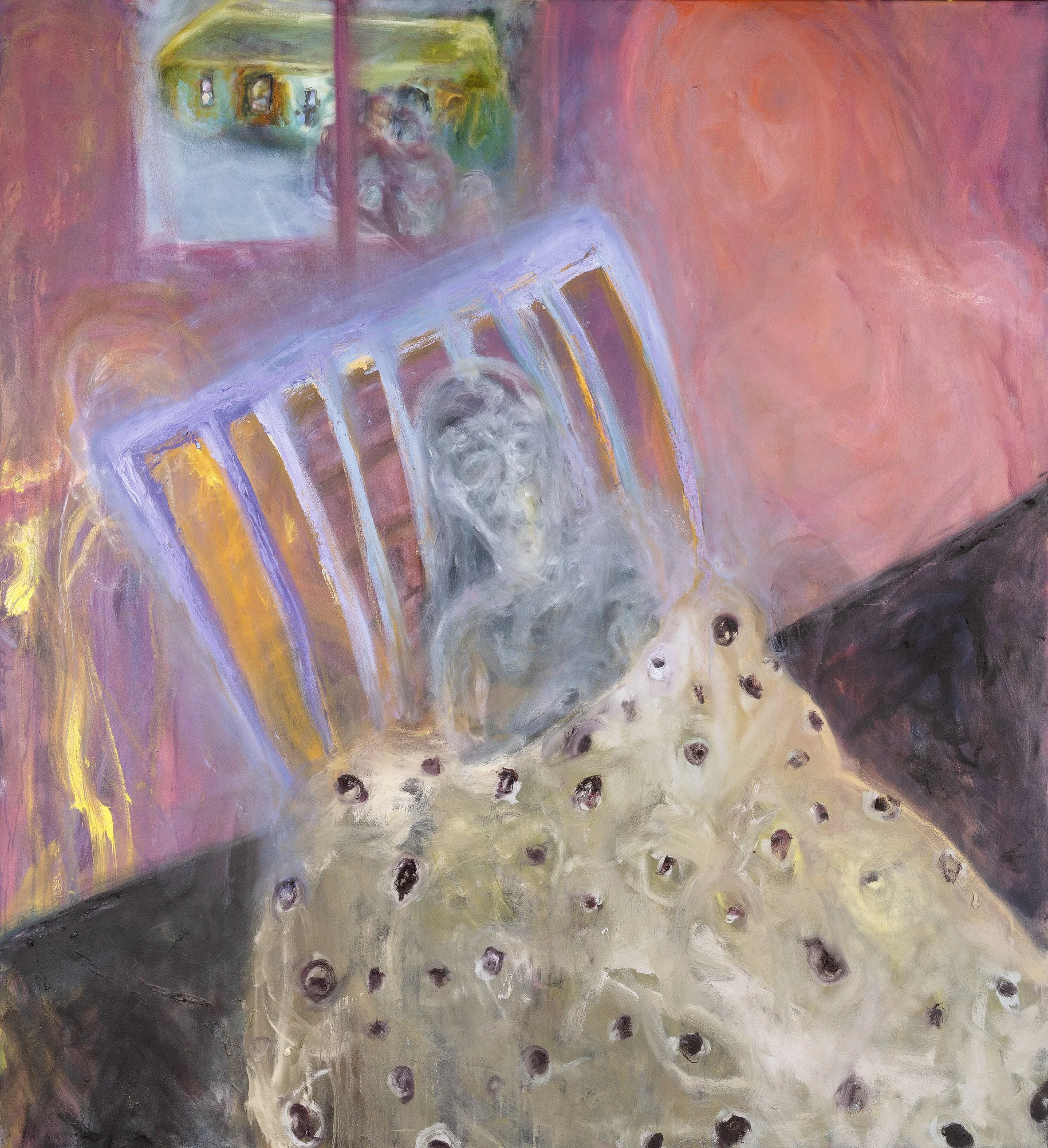
Revisiting his experiences of gay cruising in London parks, Astecline’s work navigates themes of fragmented memory, intimacy and desire. His paintings are populated by literal and metaphorical spectres of the past — distorted faces, disembodied anatomy, and the visual language of mourning. Emerging from plumes of high-key colour, these scenes allude to the heightened sensory experience of cruising, where anonymity and absurdity, violent and visceral aspects collide.

The material process reflects the multilayered nature of Astecline’s recollections. The ritual of layering paint, redaction, and starting anew mirrors the impulse to simultaneously represent and conceal subjective experience.

His forms waver between the abstract and figurative, occupying a ‘between-state’: rooted in both vivid, concrete experience and yet gesturing toward the magical. These ambiguous presences are a way to reconnect with the lives and stories of men who have cruised these sites over decades past. By elevating such narratives to the realm of mysticism, the complicated personal and political history of cruising is reclaimed, imbued with a rich inner and artistic landscape.

“I associated this feeling with my readings of Jacques Derrida’s philosophical concept of hauntology. As if my present is never simply itself, it is constantly shaped and disturbed by past memories, unresolved histories, and so many imagined possibilities. By reading out my weekly poems in the studios, I have begun to understand the plotting of each character more clearly, as well as my own fetishism: what feels truly absurd about these mysterious encounters excites me. Suddenly, it was almost as if I could feel-see exactly how characters might have moved through space, how they looked at each other, how faces morphed into abstraction, some hunting while fading from view, arms and legs looking strangely shaped in the dark as they're getting ready for some action. What is remembered, and what is fictional in all this? Every figure, every mood, has a story, and through the process of painting I am discovering how these feelings can be best expressed. Cruising becomes a daily return to the same spot, an attempt to make sense of it, while also searching or cruising for an unknown archive, something uncanny in the mind.”