
Catherine Ward & Noah Berrie
14 December 2025 – 1 February 2026
-
Catherine Ward (b. 2000, Dublin) is an artist whose work examines landscapes shaped by extraction, labour, and decay. Working from disused quarries, mines, and industrial sites, she considers land as a finite and politicised material — one marked by absence, scar, and trace. Through painting and moving image, Ward maps the residual forms and social histories that remain when such environments are abandoned or transformed.
During her Victoria House residency, Ward has been developing new paintings in response to the chalk geography of Margate, drawing out the layered narratives embedded in this landscape. Inspired by the shifting coastal terrain, Ward pairs intimate, timeless views of the caves with sweeping aerial perspectives of the coastline. Both sites reveal deep imprints of human activity: the caves through historical mining, and the cliffs through the accelerating processes of erosion driven by climate change. Reflecting on the eventual disappearance of the chalk cliffs, she collects eroded chalk and fragments of seashells from the shoreline. Their subtle textures and tones inform her palette and are physically integrated into the paintings, giving material presence to place.
-
Noah Berrie (b. 1998, New York) is a London-based artist and musician working with sound as a sculptural, spatial, and relational material. Using feedback systems, custom-built electronics, and acoustic assemblage, Berrie composes self-sounding installations and performances that investigate how space, resonance, and perception co-produce one another. His work often unfolds in real time, drawing attention to the fragile architectures of listening. During his Victoria House residency, Berrie developed a new cycle of work continuing his inquiry into the material conditions of sound, tracing architectures of transmission and porous thresholds between object, body, and atmosphere.
Berrie’s work uses sound as a way of reading the world and our place within it. The North Sea replays a day and night of sea movement recorded by a buoy placed off Margate’s pier in November; the motion of waves, tides, and currents is translated into sound by piano strings plucked by three motors corresponding to degrees of movement in space (x, y, z). Bodyweight uses a single string whose pitch is determined by the weight of the lead, the length of the gallery space, and the tension between them, with the string resonating through feedback where body meets room. Finally, wall-mounted piano bass strings extend these ideas, activating the resonance of the gallery walls themselves.
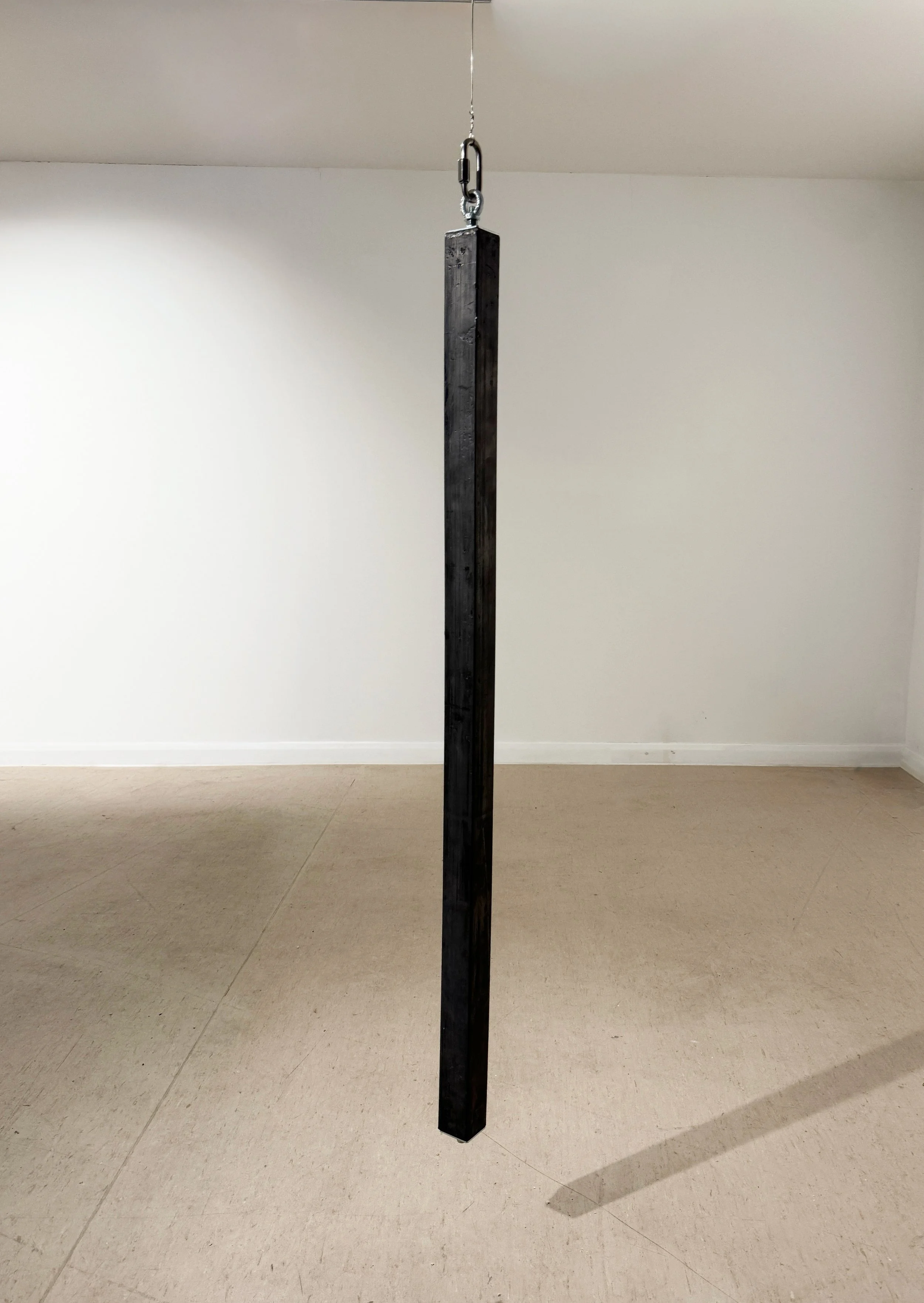
Noah Berrie
Bodyweight
Lead window sash weight, music wire, electronics
Variable height, 5 × 5 cm footprint
Price upon enquiry
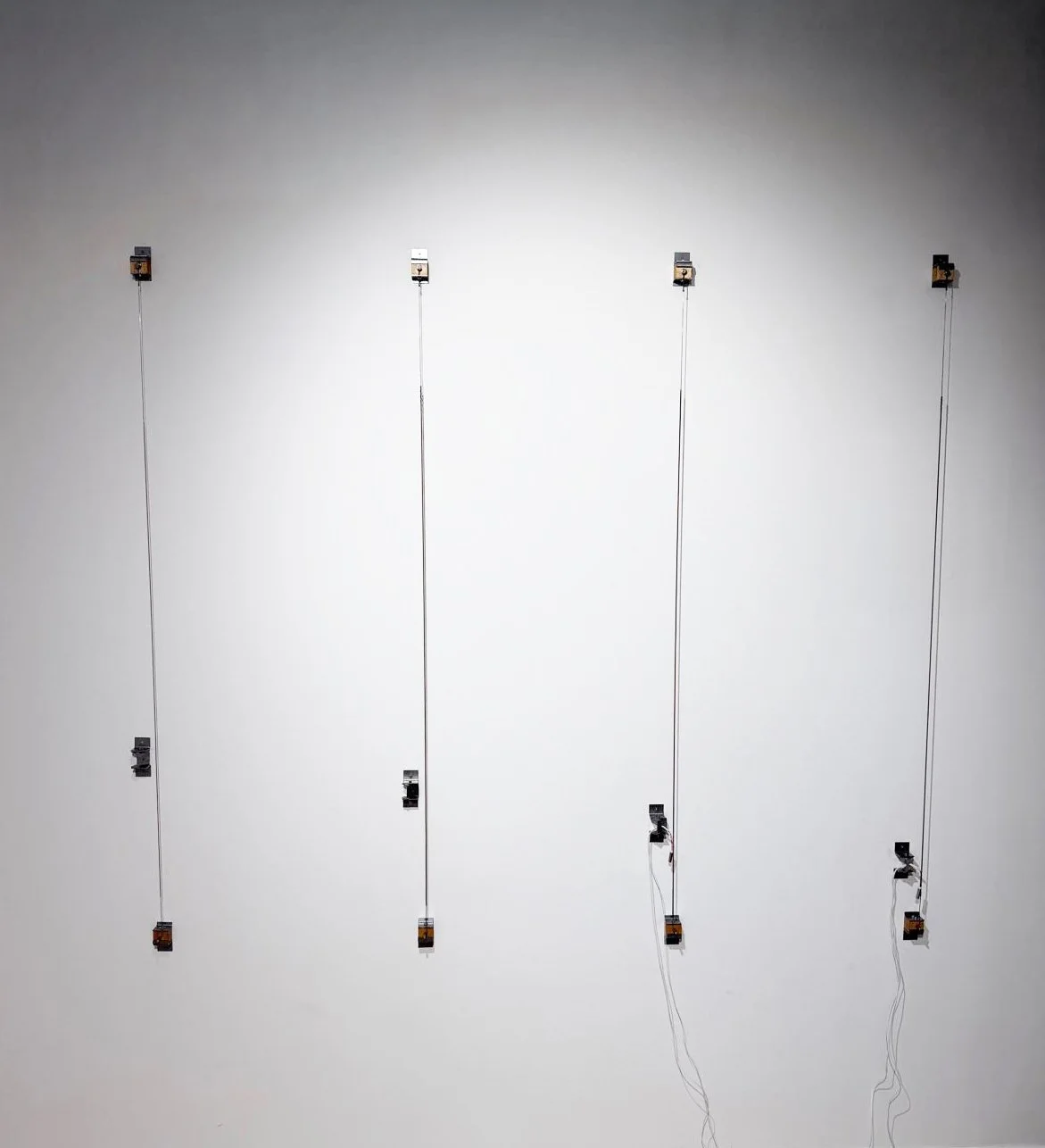
Noah Berrie
Untitled
Piano bass strings, steel, ply, motors, electronics
Variable length
Price upon enquiry
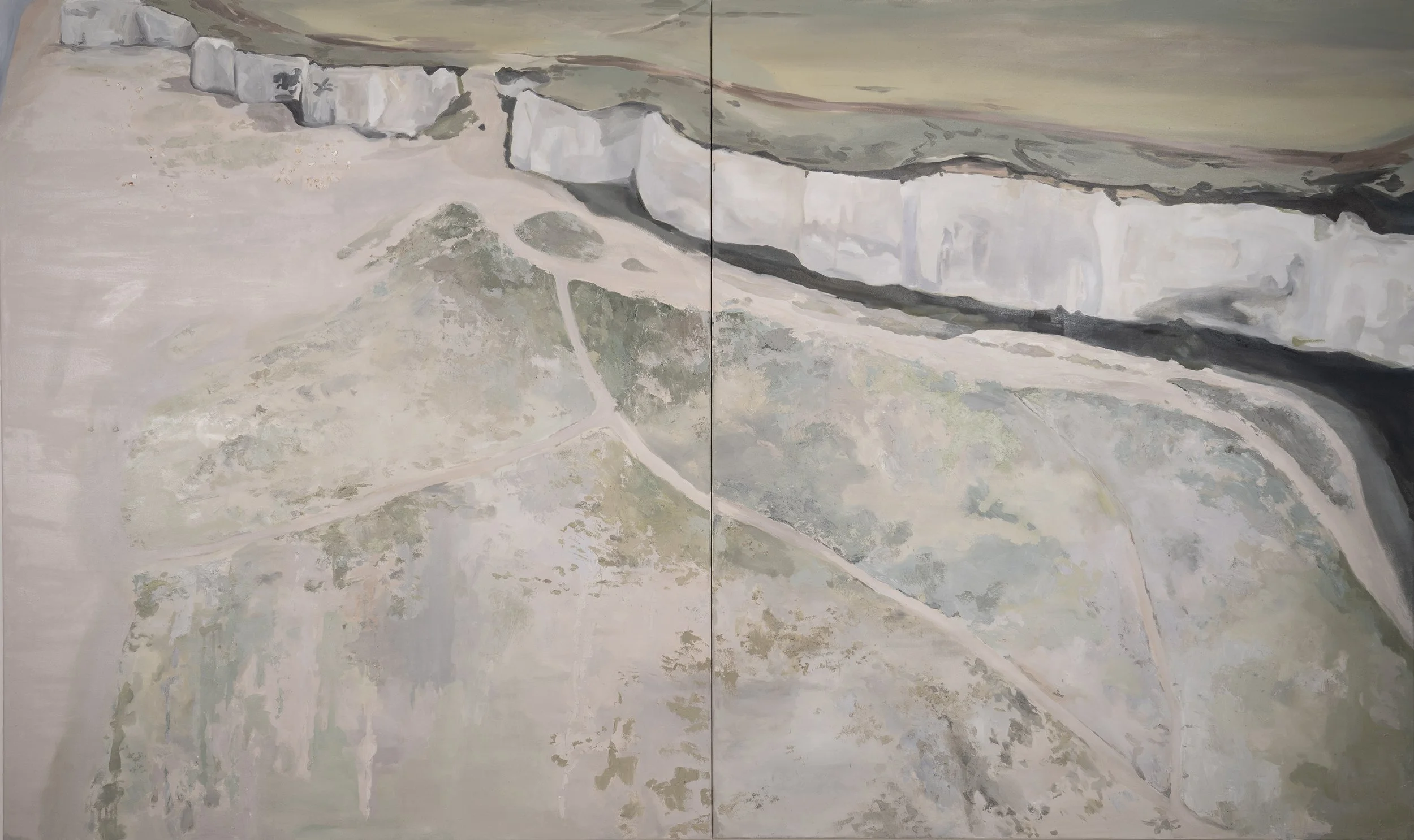
Catherine Ward
Along the Shoreline
Oil, wax, chalk and seashells on canvas
180 × 300 cm
£5,760
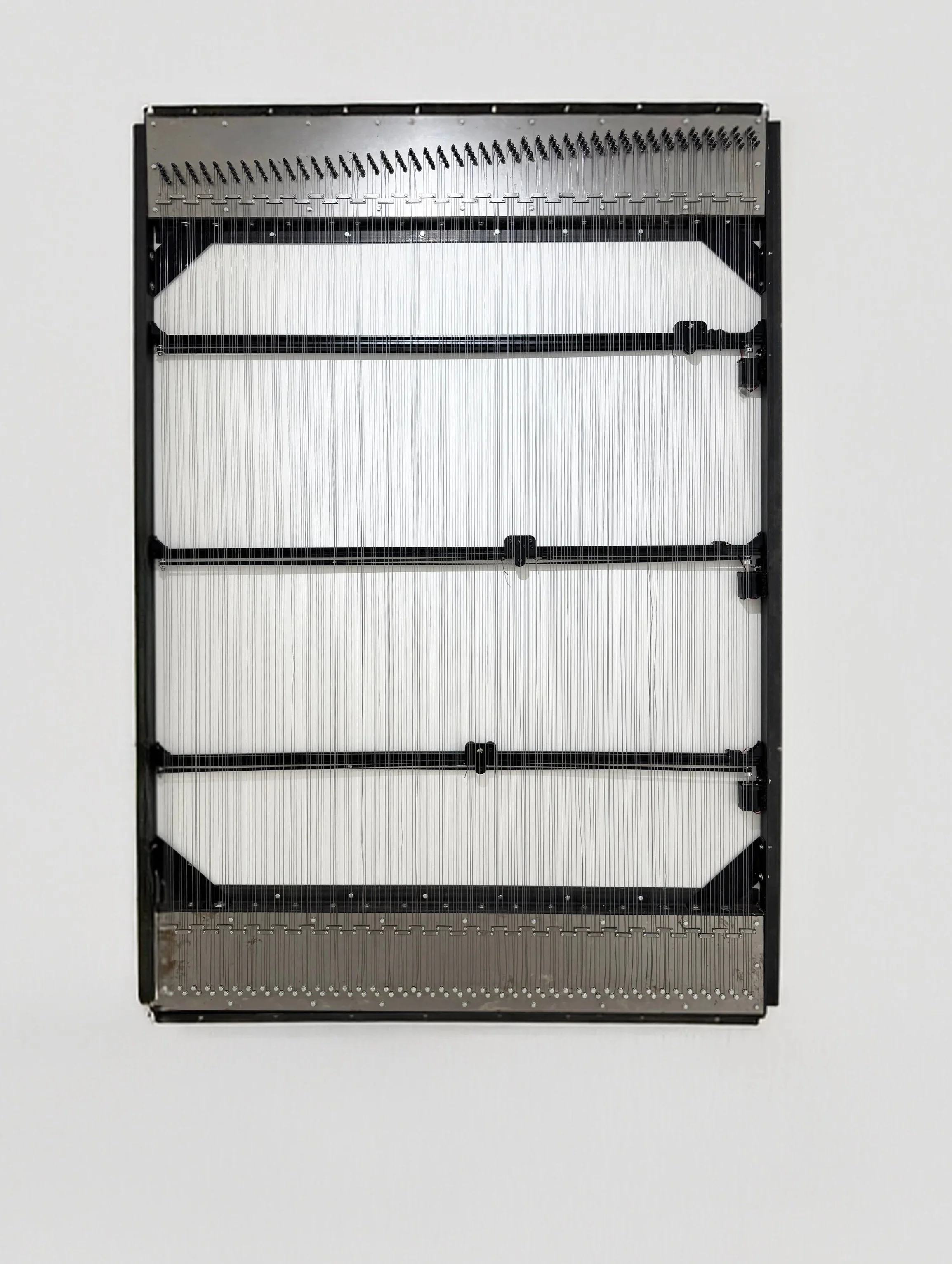
Noah Berrie
The North Sea
Steel frame, music wire, motors, electronics
200 × 130 cm
Price upon enquiry
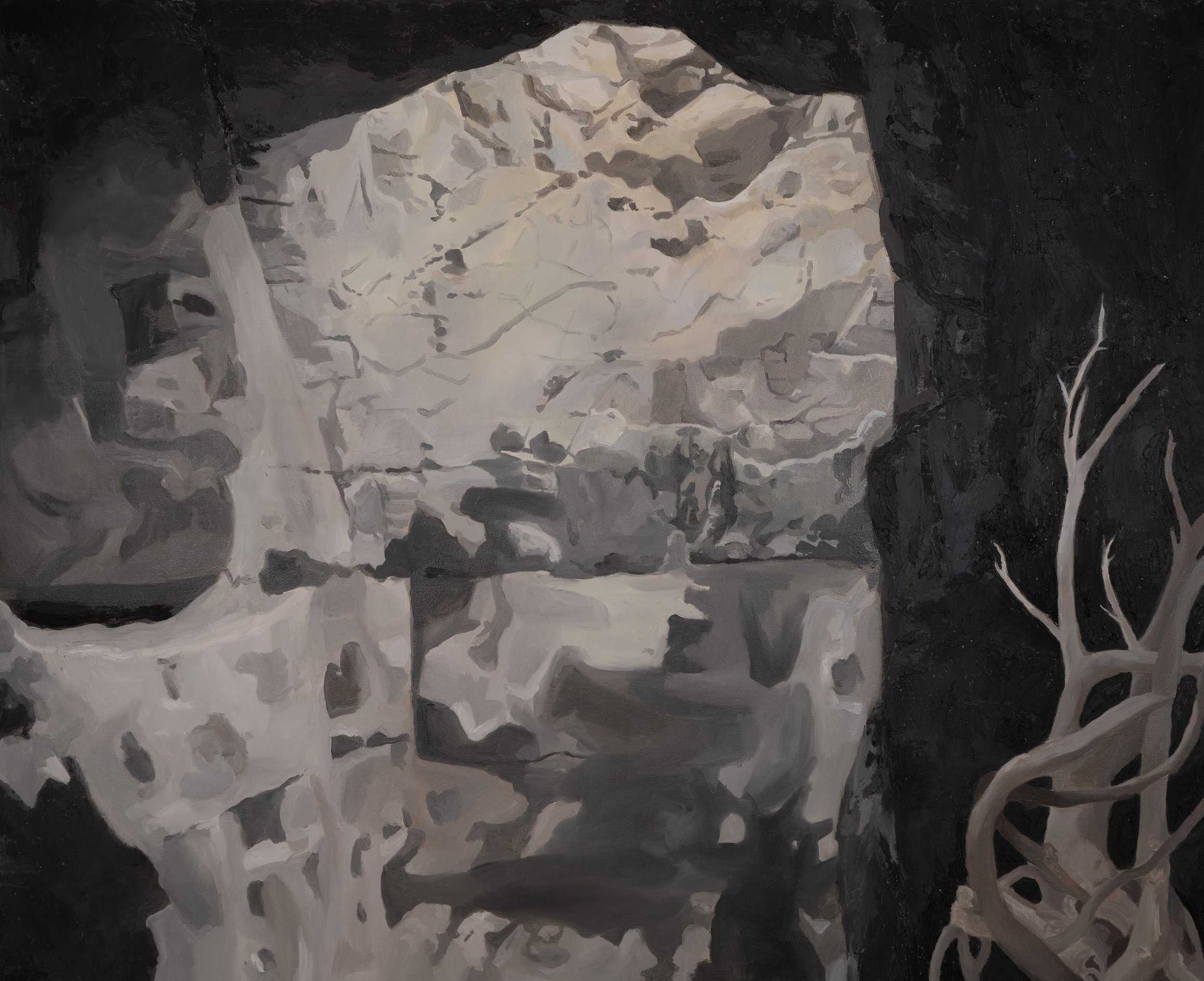
Catherine Ward
A Thin Place (Margate Caves)
Oil, wax, charcoal and chalk on canvas
130 × 160 cm
£3,480
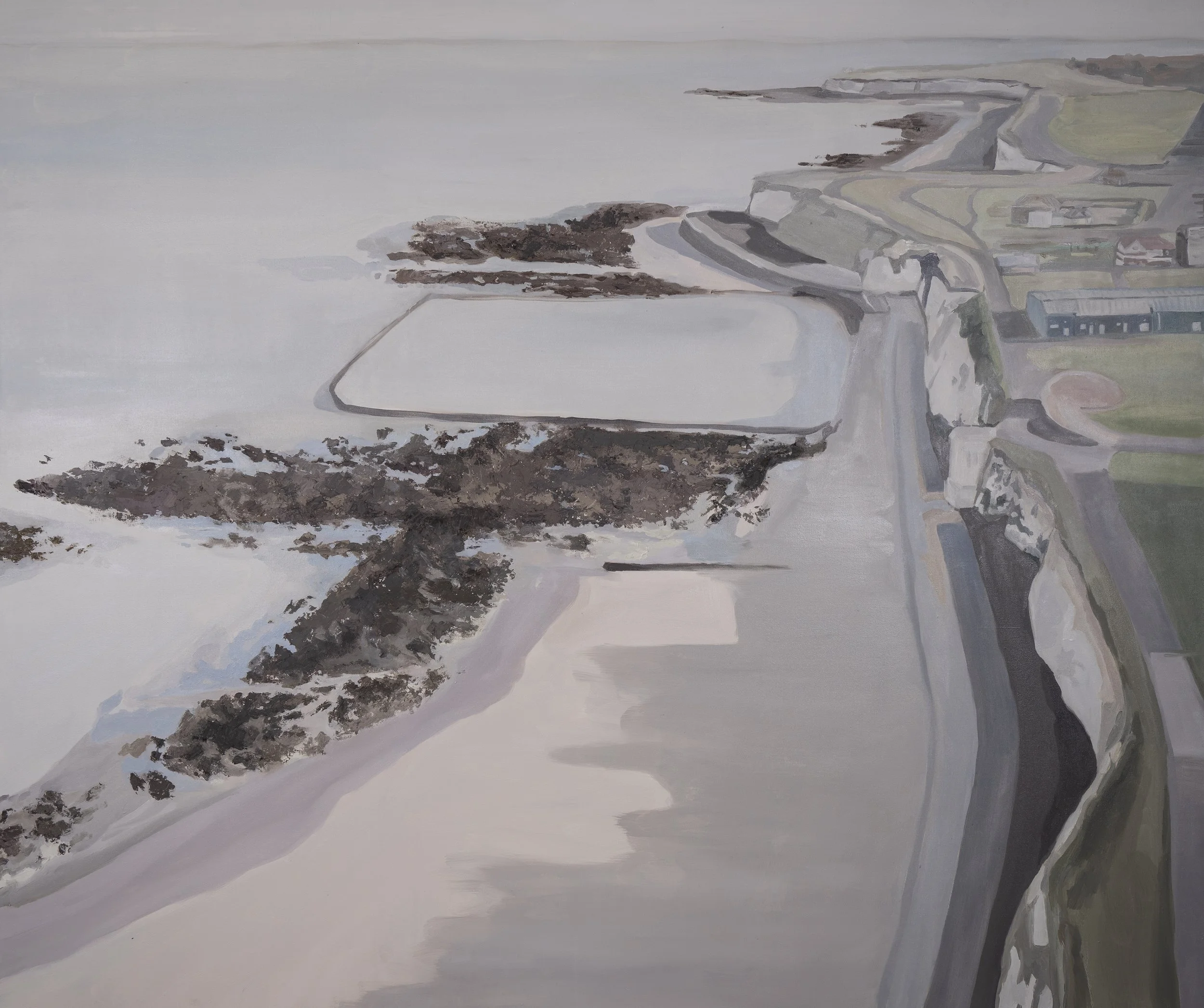
Catherine Ward
Sea Wall, Walpole Bay
Oil, wax and chalk on canvas
160 × 190 cm
£4,200
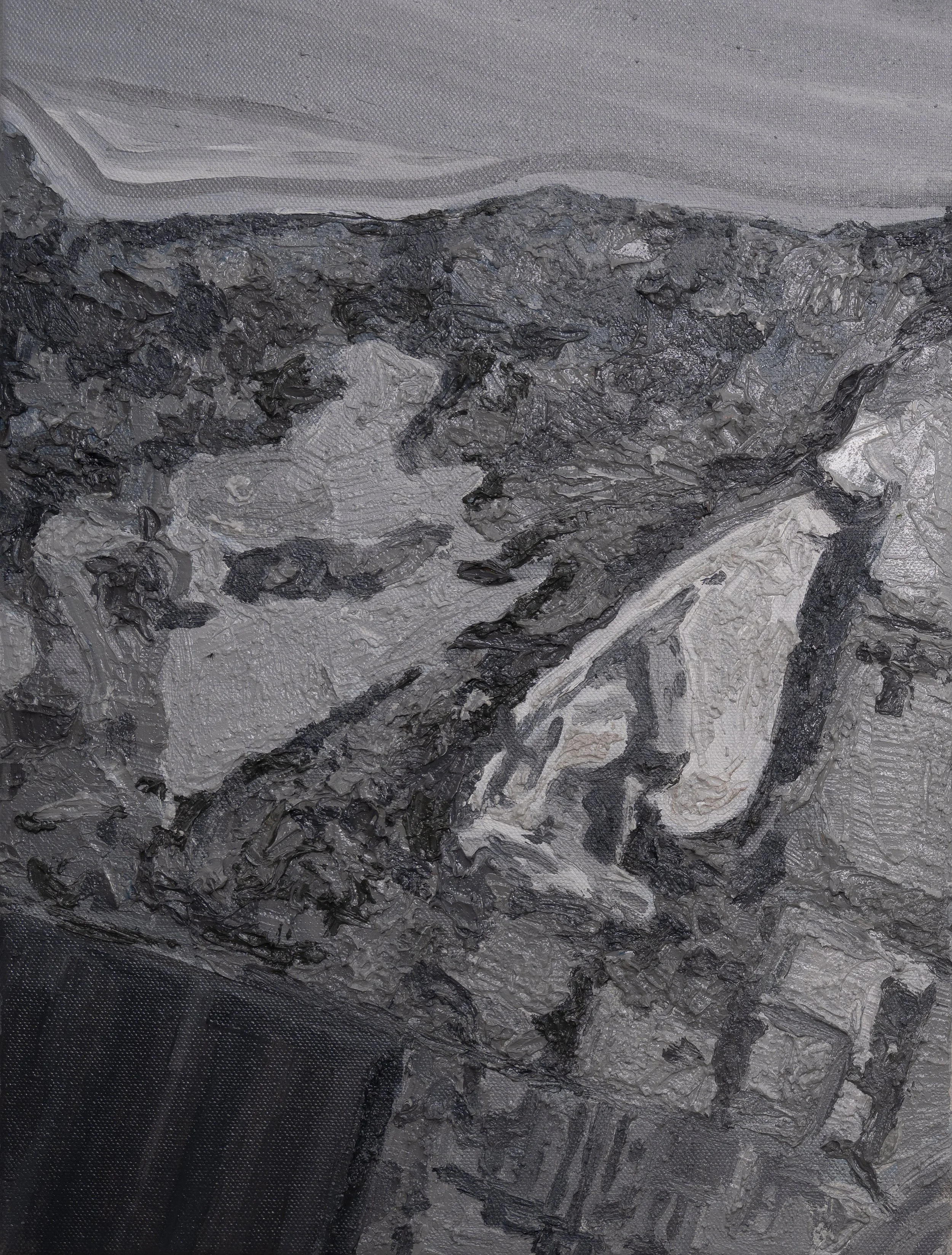
Catherine Ward
Pilgrim’s Way
Oil, wax and chalk on canvas
40 × 30 cm
£840
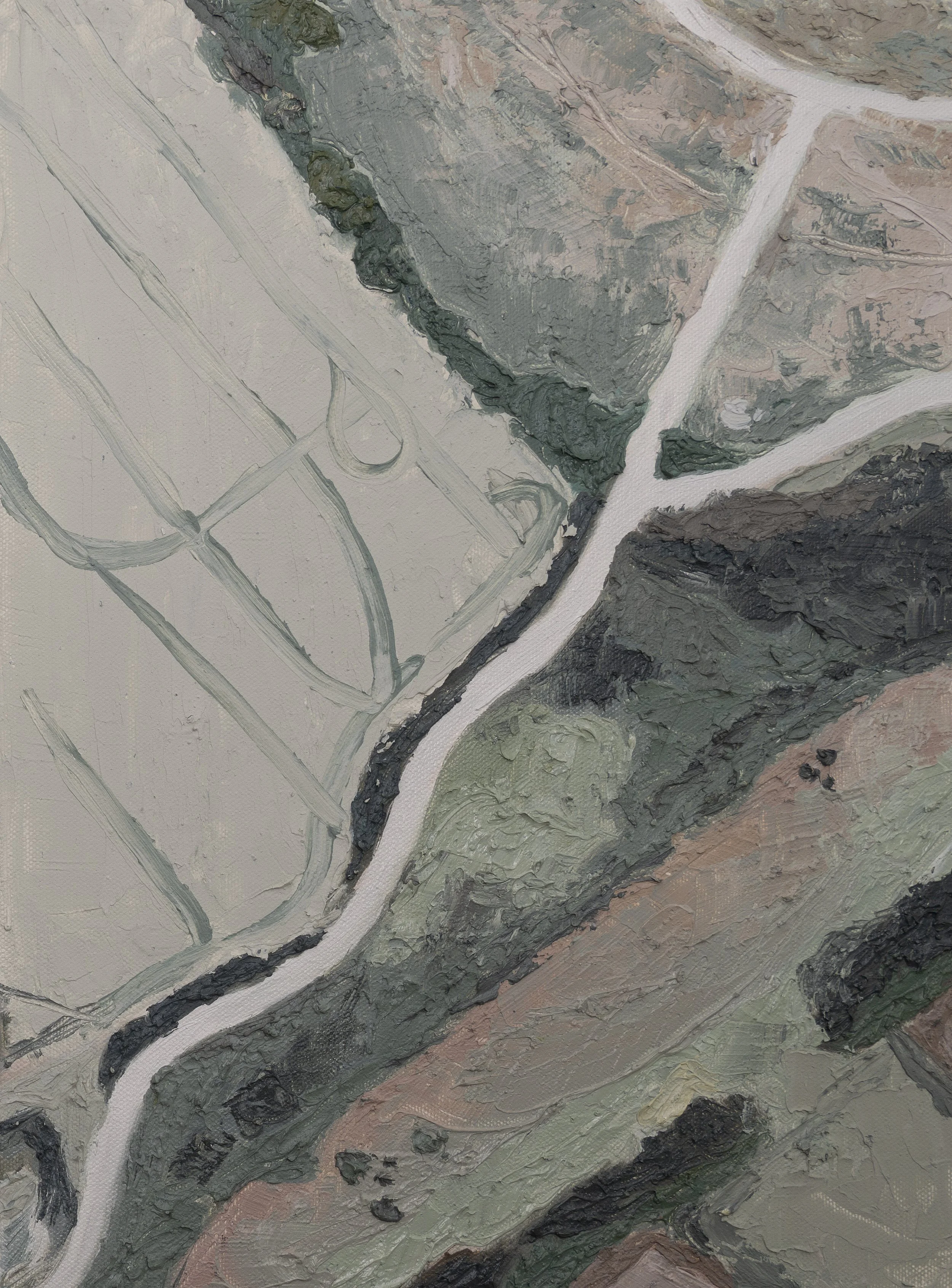
Catherine Ward
Tracing Time
Oil, wax and chalk on canvas
40 × 30 cm
£840